Bahá’í guide
Bahá’í holy days: the year’s celebrations and gift-giving occasions
A clear guide to the Bahá’í holy days – Naw-Rúz, Ridván, the Twin Holy Birthdays and more – what each one marks, when it falls, and which are occasions for gifts.
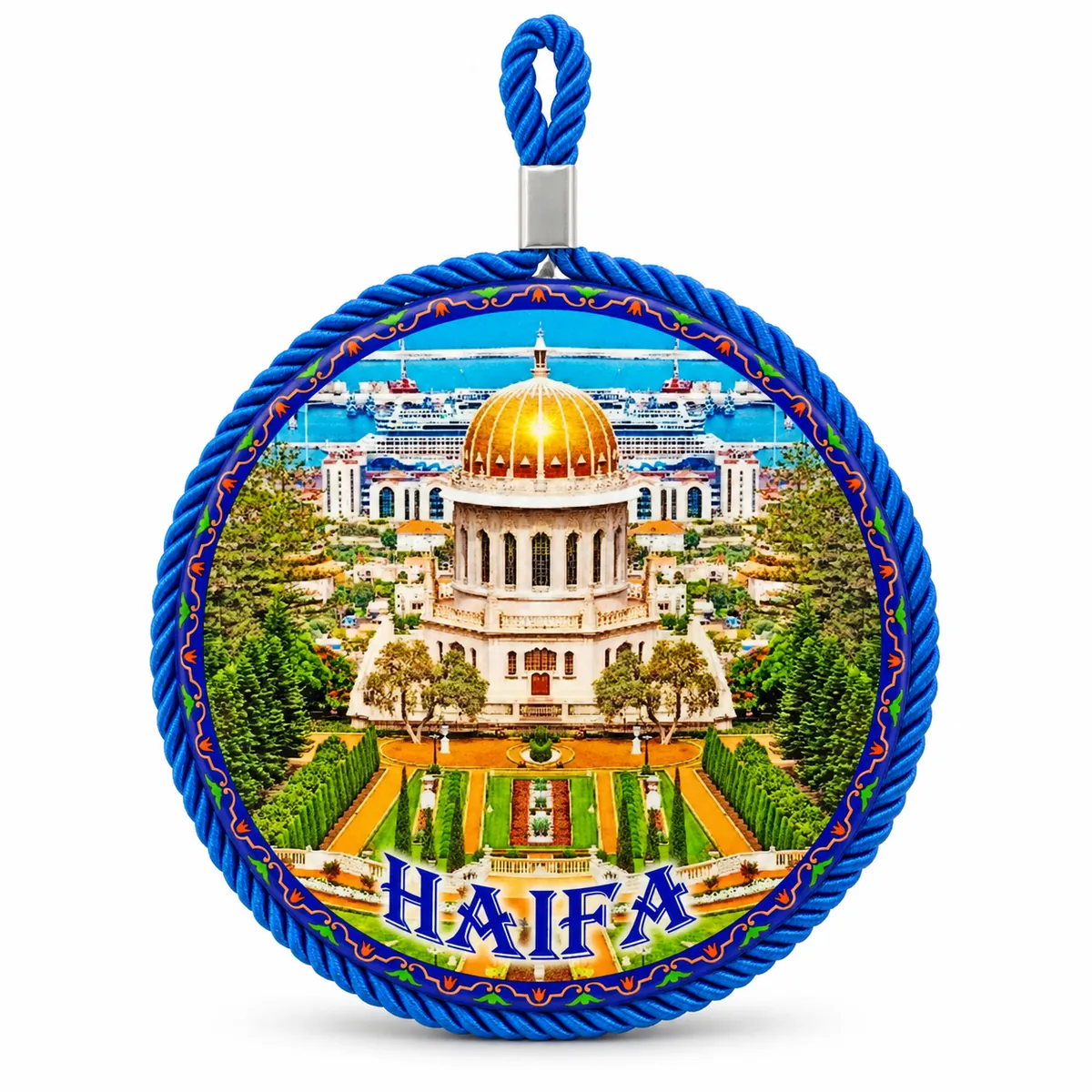
The Bahá’í year is marked by eleven holy days – some festive, some solemn – along with the Nineteen Day Feasts, the days of Ayyám-i-Há and the month of fasting. If you want to send a card, plan a gift, or simply avoid arriving in Haifa on a day the Bahá’í Gardens are closed, this guide sets out the year at a glance.
The Bahá’í calendar in brief
The Bahá’í or Badí’ calendar was introduced by the Báb and confirmed by Bahá’u’lláh. It has 19 months of 19 days, each named after an attribute of God – Splendour, Glory, Beauty and so on – plus four or five extra days, Ayyám-i-Há. The year begins at Naw-Rúz, on the day of the spring equinox as determined for Tehran, the birthplace of Bahá’u’lláh. Days run from sunset to sunset, so each holy day begins the evening before.
Because the equinox falls on 20 or 21 March, most holy days move by a day from year to year. The Births of the Báb and of Bahá’u’lláh – celebrated on consecutive days – follow the moon, and fall somewhere between mid-October and mid-November.
Bahá’í holy days at a glance
| Holy day | Usual date | What it marks | Work suspended |
|---|---|---|---|
| Naw-Rúz (Bahá’í New Year) | 20 or 21 March | The new year, the spring equinox and the end of the Fast | Yes |
| First day of Ridván | 20 or 21 April | Bahá’u’lláh’s arrival in the Garden of Ridván, Baghdad, 1863 | Yes |
| Ninth day of Ridván | 28 or 29 April | The arrival of His family in the garden | Yes |
| Twelfth day of Ridván | 1 or 2 May | Bahá’u’lláh’s departure from the garden | Yes |
| Declaration of the Báb | 23 or 24 May | The Báb announces His mission, Shiraz, 1844 | Yes |
| Ascension of Bahá’u’lláh | 28 or 29 May | The passing of Bahá’u’lláh at Bahjí, 1892 | Yes |
| Martyrdom of the Báb | 9 or 10 July | The execution of the Báb in Tabriz, 1850 | Yes |
| Birth of the Báb | Mid-October to mid-November (lunar) | The birth of the Báb, Shiraz, 1819 | Yes |
| Birth of Bahá’u’lláh | The day after the Birth of the Báb | The birth of Bahá’u’lláh, Tehran, 1817 | Yes |
| Day of the Covenant | 25 or 26 November | The Covenant of Bahá’u’lláh and the station of ‘Abdu’l-Bahá | No |
| Ascension of ‘Abdu’l-Bahá | 27 or 28 November | The passing of ‘Abdu’l-Bahá in Haifa, 1921 | No |
Dates are for guidance. Check a Bahá’í calendar for the exact dates in a given year.
The festive holy days
Naw-Rúz
The Bahá’í New Year coincides with the first day of spring and ends the nineteen-day Fast, so it is a day of celebration: gatherings, music, special meals and flowers. A plant, sweets or a small gift are warmly received.
Ridván
The “Most Great Festival” commemorates the twelve days in 1863 that Bahá’u’lláh spent in the Garden of Ridván in Baghdad, where He declared His mission to His companions. The first, ninth and twelfth days are holy days. Ridván is also the season of Bahá’í elections: local and national spiritual assemblies are elected at this time.
The Declaration of the Báb
On the evening of 22 May 1844 in Shiraz, the Báb announced His mission to His first disciple, Mullá Husayn. The anniversary is celebrated about two hours after sunset on the eve of the holy day.
The Twin Holy Birthdays
The Birth of the Báb (1819) and the Birth of Bahá’u’lláh (1817) are celebrated together on consecutive days in the autumn. They are among the most joyful days of the year, with community celebrations that often welcome friends of every background.
The solemn commemorations
Three holy days commemorate passings and are observed with prayer and reflection rather than festivity: the Ascension of Bahá’u’lláh, who passed away at Bahjí near Akko in 1892; the Martyrdom of the Báb, executed in Tabriz in 1850; and the Ascension of ‘Abdu’l-Bahá, who passed away in Haifa in 1921. They are not occasions for gifts – a kind word or a card is more appropriate if you want to acknowledge the day.
The Day of the Covenant celebrates Bahá’u’lláh’s appointment of ‘Abdu’l-Bahá as the centre of His Covenant; work is not suspended on it.
Ayyám-i-Há and the Fast
At the end of February come the four or five days of Ayyám-i-Há – the main season for gifts, hospitality and charity. They are followed by the month of ‘Alá’, when Bahá’ís aged 15 to 70 who are able fast from sunrise to sunset for nineteen days, ending at Naw-Rúz. Exemptions include travellers, the sick, and women who are pregnant or nursing.
The Nineteen Day Feast
On the first day of every Bahá’í month, each local community gathers for the Nineteen Day Feast, which combines prayers and readings, consultation on community affairs, and fellowship with food. Hosts often bring tea, sweets or flowers – a nice small gift to bring if you are invited to help.
Visiting Haifa on a holy day
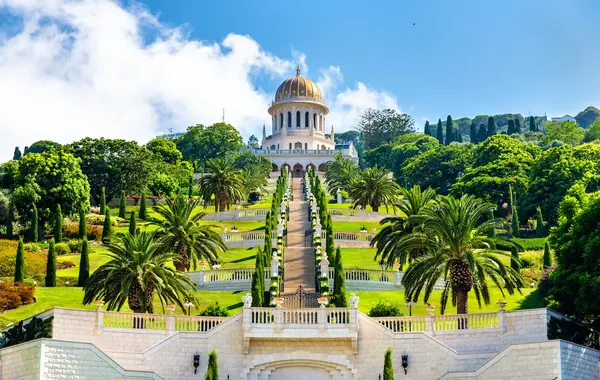
The Bahá’í Gardens in Haifa and at Bahjí close to the public on Bahá’í holy days, and also on Yom Kippur. If your trip is fixed, check the official site for closures before you plan your day – and read our guide to visiting the gardens.
Gifts for the Bahá’í year
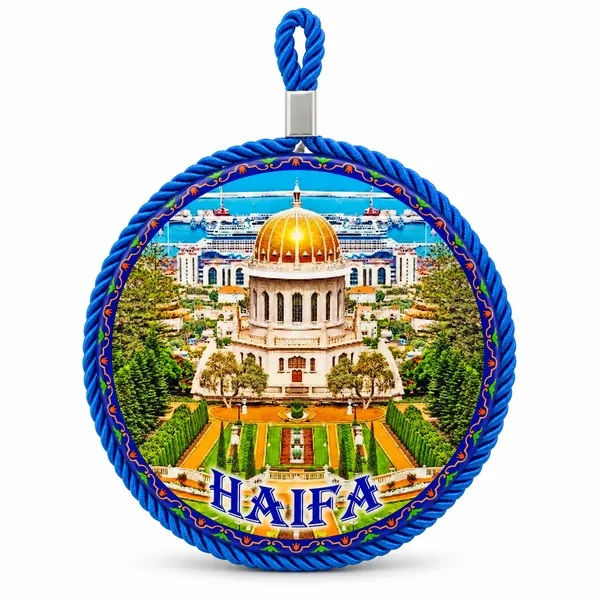
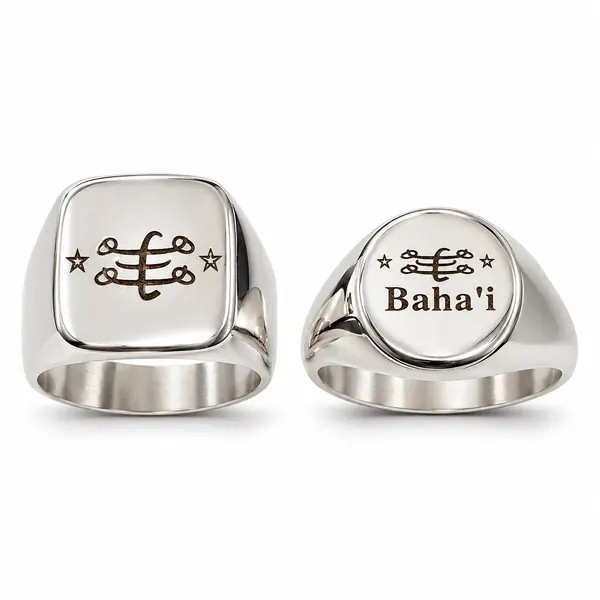
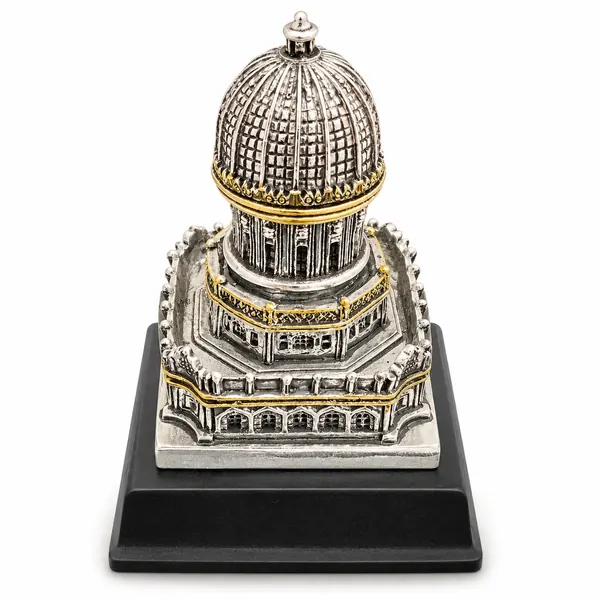
Our shop in Haifa stocks ringstone jewelry and Shrine of the Báb keepsakes– gifts for Ayyám-i-Há, Naw-Rúz or any time. For more ideas, see Bahá’í gift ideas.
Frequently asked questions
How many Bahá’í holy days are there?
Eleven. On nine of them Bahá’ís suspend work: Naw-Rúz, the first, ninth and twelfth days of Ridván, the Declaration of the Báb, the Ascension of Bahá’u’lláh, the Martyrdom of the Báb, and the Births of the Báb and of Bahá’u’lláh. The Day of the Covenant and the Ascension of ‘Abdu’l-Bahá are also holy days, on which work is not suspended.
Why do the dates of Bahá’í holy days change?
The Bahá’í year begins at Naw-Rúz, on the day of the spring equinox as determined for Tehran, which falls on 20 or 21 March. Most holy days therefore shift by a day between years. The Twin Holy Birthdays follow the lunar calendar and move between mid-October and mid-November.
Are the Bahá’í Gardens in Haifa closed on holy days?
Yes. The gardens close to public visits on Bahá’í holy days (and on Yom Kippur). In 2026, for example, they were closed on 10 and 11 November for the Twin Holy Birthdays.
Which Bahá’í holy days are occasions for gifts?
Gifts are mostly given during Ayyám-i-Há, before the Fast. Naw-Rúz and the joyful holy days such as Ridván and the Twin Holy Birthdays are celebrated with gatherings, food and sometimes small gifts. Commemorations of passings and the Martyrdom of the Báb are solemn and not occasions for presents.